
Did you know that professional cycling isn’t just a dash to the finish, but a highly coordinated team effort where not every rider is chasing victory?
The following text explores how teamwork, and more importantly, human qualities like selflessness, can determine the outcome of a race.
The Power of the Peloton
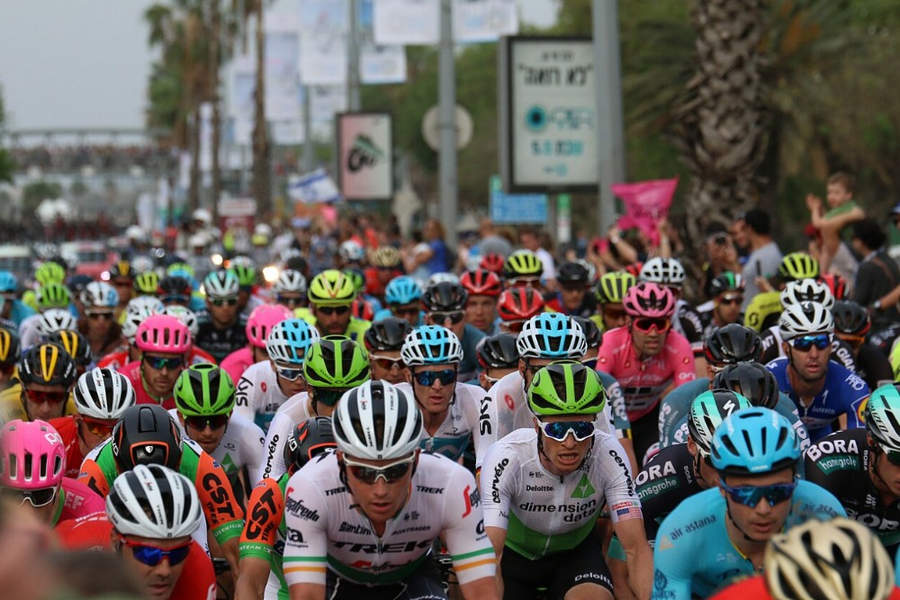
The peloton in professional cycling is perhaps the best example of why teamwork is key to success. Simply put, the peloton is a group of riders forming a collective to achieve speeds far higher than any individual could sustain alone.
Its role is to minimize air resistance and prevent opposing teams from gaining a dominant lead. If a rider breaks away from the group, others immediately begin rotating fresh riders to the front to “hunt down” the attacker and neutralize the threat.
In practice, it looks like this: Three teams take part in the race. The main riders from teams A, B, and C form a peloton. After some time, a rider from team A breaks away, aiming for the finish line. Riders from teams B and C respond by increasing the pace and rotating fresh riders, working together to catch the attacker and regain control of the race.
One for All, All Against the Wind
Just like it does with any other moving body, wind resistance (along with terrain changes) presents one of the biggest hurdles cyclists face during a race. A professional cyclist spends around 90% of their energy just pushing through the air. And that’s where teammates jump in to help.
By riding closely behind their teammates, a protected rider (the team leader) can save as much as 40% of their energy. This technique is called drafting, and its effectiveness has also been proven in other forms of racing, like NASCAR.
Because of this, the protected rider stays fresh for the final few kilometers of the race. That’s teamwork in practice: teammates exhausting themselves so their leader doesn’t have to.
The Role of Domestiques

When we think of team spirit, we usually imagine a competitive person eager to win. In professional cycling, however, most riders are not chasing victory for themselves, but working to help their team leader reach the podium.
Cyclists whose job is to increase a protected rider’s chances of winning are called domestiques, and they carry an incredible amount of responsibility:
- The “windshield” cyclists stay in front of the team leader, fighting against the wind to ensure the protected rider saves as much energy for the final sprint or climb.
- The logistics officers ensure the leader has water and food whenever needed. These domestiques will drop back to the team’s car to collect bottles and nutrition, then sprint back up to deliver them.
- The mechanics on wheels must pay close attention to the leader’s bike. If something happens, such as a flat tire or mechanical issue, the domestique may even give their bike to the leader, enabling them to continue the race without losing time.
Coordination in Action: The Lead-Out Train
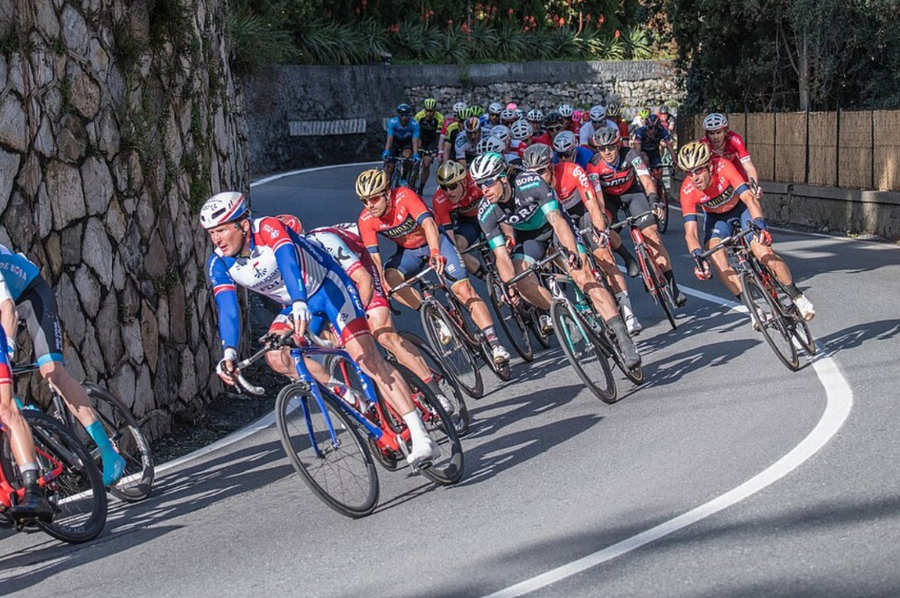
Coordination is a key characteristic of a quality team. In professional cycling, this is best seen in the lead-out, the final three kilometers of a race. Here, each cyclist must maintain a blistering speed to stay ahead of the pack.
The team forms what is called the lead-out train, during which each teammate rides at 100% capacity for a specific distance, keeping the speed up while protecting the cyclist behind from the wind.
One by one, as they reach their physical limit, they “peel off” and drop back, leaving the next teammate to take over. This sequence practically prepares the terrain for the leader to launch their final sprint to the finish line in the last 200 meters.
Professional Cycling: A Lesson in Selflessness
The principles of professional cycling apply far beyond the road. They work in professional and private contexts, helping us reach our potential while supporting the people around us.
The sport teaches us to recognize, nurture, and make the most of each other’s unique strengths, as well as to communicate clearly and promptly. It also shows us the importance of adaptability. When things don’t go as planned, we must be prepared to react without losing sight of one another.
It’s not always our turn to stand on the podium, and when it is, we rarely get there alone. We reach those heights with the support of teammates, coworkers, and family every step (or pedal) of the way.